



.png)

Why Maharashtra’s Next Decade Will Be Defined by Housing, Not Just Infrastructure: IAS Sanjeev Jaiswal
More Than Buildings: What Makes a City Livable
Mumbai has always been more than just a city. It represents an idea shaped by ambition, resilience, and opportunity. As India enters its next phase of growth, Maharashtra stands at the core of this transformation, redefining urban success beyond GDP figures and skylines toward time saved, dignity upheld, and access widened. Housing remains central to this evolution, because cities ultimately succeed not by what they construct, but by how people experience life within them.
From National Vision to Urban Reality
India’s recent economic momentum reflects rising confidence and institutional capability, and Maharashtra has translated this national vision into clear, decisive action. Investments in infrastructure, industry, and urban systems are being driven by a focused principle: growth must stay inclusive and people-centric. The Mumbai Metropolitan Region, a key contributor to the state’s GDP and an emerging $300-billion economy, continues to connect India to global finance, innovation, and creative industries, while increasing incomes mirror growing aspirations for more livable urban spaces.
Infrastructure That Brings Opportunity Closer
Across Maharashtra, infrastructure is increasingly being shaped as a vehicle for inclusion. Projects such as the Atal Setu, Mumbai Metro, Samruddhi Expressway, Coastal Road, and the Navi Mumbai International Airport are cutting travel time, opening new growth corridors, and bringing opportunities closer to people. This progress is further strengthened by initiatives like the MMR Growth Hub, which integrates affordable housing, transit-oriented development, sustainability, global services, and advanced infrastructure into a unified urban strategy.
Housing as the Backbone of Inclusive Growth
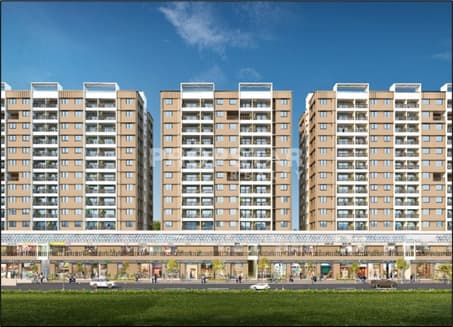
Economic progress, however, must be complemented by strong social infrastructure, with housing at its core. MHADA’s delivery of over nine lakh affordable homes, along with a substantial pipeline ahead, reflects a scale comparable to global public housing systems. At the same time, redevelopment projects such as B.D.D. Chawl, Motilal Nagar, and Kamathipura illustrate how older neighbourhoods can be transformed into livable, mixed-use communities without displacing residents. A diversified housing ecosystem—blending ownership, secure rental options, and hybrid tenure models—ensures flexibility for a dynamic workforce while maintaining stability and dignity.
To Read The Full Article: Visit Here