



.png)

Cluster Redevelopment Gains Momentum in Mumbai, 800–1,000 Acres Opened
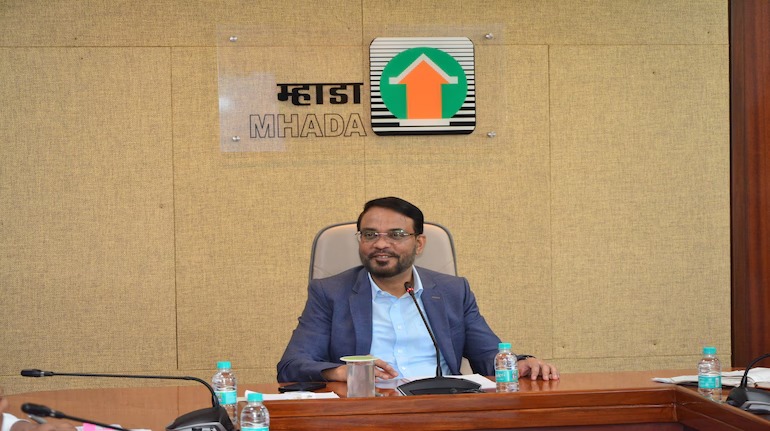
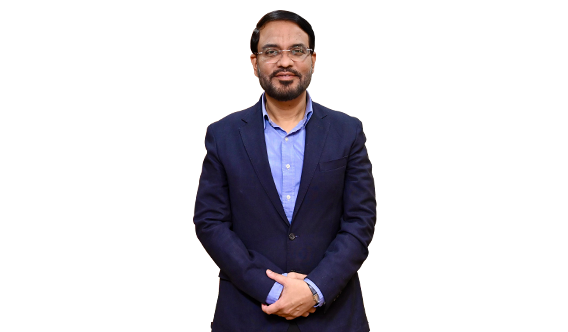
Cluster Redevelopment Gains Momentum in Mumbai, 800–1,000 Acres Opened: MHADA CEO Sanjeev Jaiswal
Urban redevelopment in Mumbai is gradually moving from small, fragmented projects to large-scale planning. The cluster redevelopment model, which focuses on redeveloping entire housing layouts rather than isolated buildings, is now becoming a central strategy for improving housing supply in the city.
Speaking at a panel discussion during the iDAC Expo 2026 in Mumbai on March 12, IAS Sanjeev Jaiswal, Vice President and Chief Executive Officer of the Maharashtra Housing and Area Development Authority (MHADA), said that 800 to 1,000 acres of land in Mumbai have been opened up for redevelopment under the cluster development model over the past year.
The scale of this development reflects a significant shift in how urban housing is being planned in India’s financial capital.
Large Layouts Driving Cluster Redevelopment
According to Jaiswal, cluster redevelopment projects now being pursued by MHADA involve large housing layouts that allow redevelopment to happen at scale.
“In the last one year, in Mumbai alone, either approved by the Cabinet, or the developer has been appointed or in tender process, whatever be the reasons, more than 800 to 1,000 acres of land in proper Mumbai is opening up for redevelopment on a cluster model,” Jaiswal said during the discussion.
He explained that each redevelopment layout typically covers a large area, making it possible to design infrastructure and housing more efficiently.
“Every layout is expanding almost to 40 acres, 60 acres, 100 acres, or even 140 acres,” he added.
This approach allows redevelopment to be planned at a neighbourhood scale instead of focusing on individual buildings.
Major Redevelopment Projects Across the City
MHADA has already identified several locations where cluster redevelopment projects are underway or being actively pursued.
Among the most prominent examples is the Motilal Nagar redevelopment project, which spans around 140 acres. Other major redevelopment clusters include:
· GTB Nagar
· Kamathipura
· Bandra Reclamation
· Aaram Nagar
· Adarsh Nagar
· Gorai
· Charkop
These projects represent some of the largest urban redevelopment initiatives currently being planned in Mumbai.
By redeveloping entire neighbourhood clusters, authorities aim to improve infrastructure, increase housing supply, and optimise land usage in a city where space is extremely limited.
Affordable Housing Potential
One of the key outcomes expected from these cluster redevelopment projects is a significant increase in housing supply.
According to MHADA estimates shared by Jaiswal, the redevelopment pipeline could generate over 10 lakh sq metres of built-up housing stock in the coming years.
When translated into residential units, this volume of development could produce more than 20,000 apartments.
“If I convert it to a 500 sq ft apartment, it comes to more than 20,000 apartments, which will be opened up, on the redirected rates, for the common public in Mumbai,” Jaiswal said.
This approach ensures that a substantial portion of the housing stock created under redevelopment remains accessible to middle-income households.
Rehabilitation of Existing Communities
Cluster redevelopment also focuses on improving living conditions for residents currently living in ageing buildings.
Many housing layouts developed decades ago now require structural upgrades and modern infrastructure. Redevelopment allows these areas to be rebuilt with better housing, improved safety standards, and modern urban amenities.
As part of this broader effort, the government is also continuing redevelopment of historic housing clusters such as the Bombay Development Directorate (BDD) chawls.
Jaiswal noted that keys would be handed over on March 16 to residents in Naigaon in central Mumbai who are being rehabilitated under the redevelopment of the over 100-year-old BDD chawls.
Structural Reforms to Improve Housing Affordability
While redevelopment can increase housing supply, Jaiswal also emphasised the need for policy reforms to make housing more affordable.
He highlighted that costs associated with housing development—such as premiums, development charges, and regulatory expenses—play a major role in determining final property prices.
“If we rationalise premiums, development charges and other costs associated with housing development, the affordability index in cities like Mumbai could reduce significantly,” he said.
He added that policy reforms combined with faster approvals could accelerate housing supply and make homes more accessible to citizens.
Maharashtra’s Role in India’s Economic Growth
Housing and infrastructure development also play a critical role in the broader economic vision for the state.
During the same event, Maharashtra Deputy Chief Minister Eknath Shinde, who also holds the housing portfolio, said that the state is expected to make a major contribution to India’s economic ambitions.
He stated that Maharashtra could contribute nearly $1.5 trillion to India’s $5 trillion economy vision by 2027, provided global economic conditions remain stable.
Shinde also highlighted the scale of investment expected in the state’s infrastructure and industrial sectors.
According to him, ₹2.96 lakh crore worth of investments expected in 2026 could generate nearly 3 lakh jobs, further strengthening Mumbai and Maharashtra as key engines of economic growth.
A New Phase of Urban Redevelopment
Mumbai’s redevelopment journey has often been slow and complex due to land constraints and regulatory challenges. However, the growing adoption of the cluster redevelopment model suggests a more structured approach to urban renewal.
By unlocking 800–1,000 acres of land, expanding housing supply, and modernising ageing neighbourhoods, MHADA’s redevelopment initiatives aim to create a more balanced urban housing ecosystem.
Under the administrative leadership of IAS Sanjeev Jaiswal, the focus on large-scale cluster redevelopment represents an effort to combine urban planning, housing affordability, and infrastructure development into a single long-term strategy.
If implemented effectively, these projects could reshape significant parts of Mumbai while making housing more accessible to the city’s residents.