



.png)

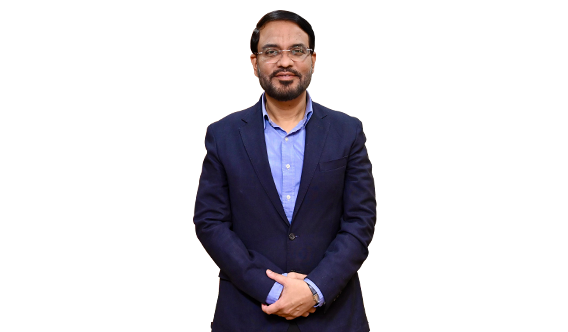
IAS Sanjeev Jaiswal Drives MHADA’s Cluster Redevelopment Plan Targeting 20,000 Affordable Homes in Mumbai
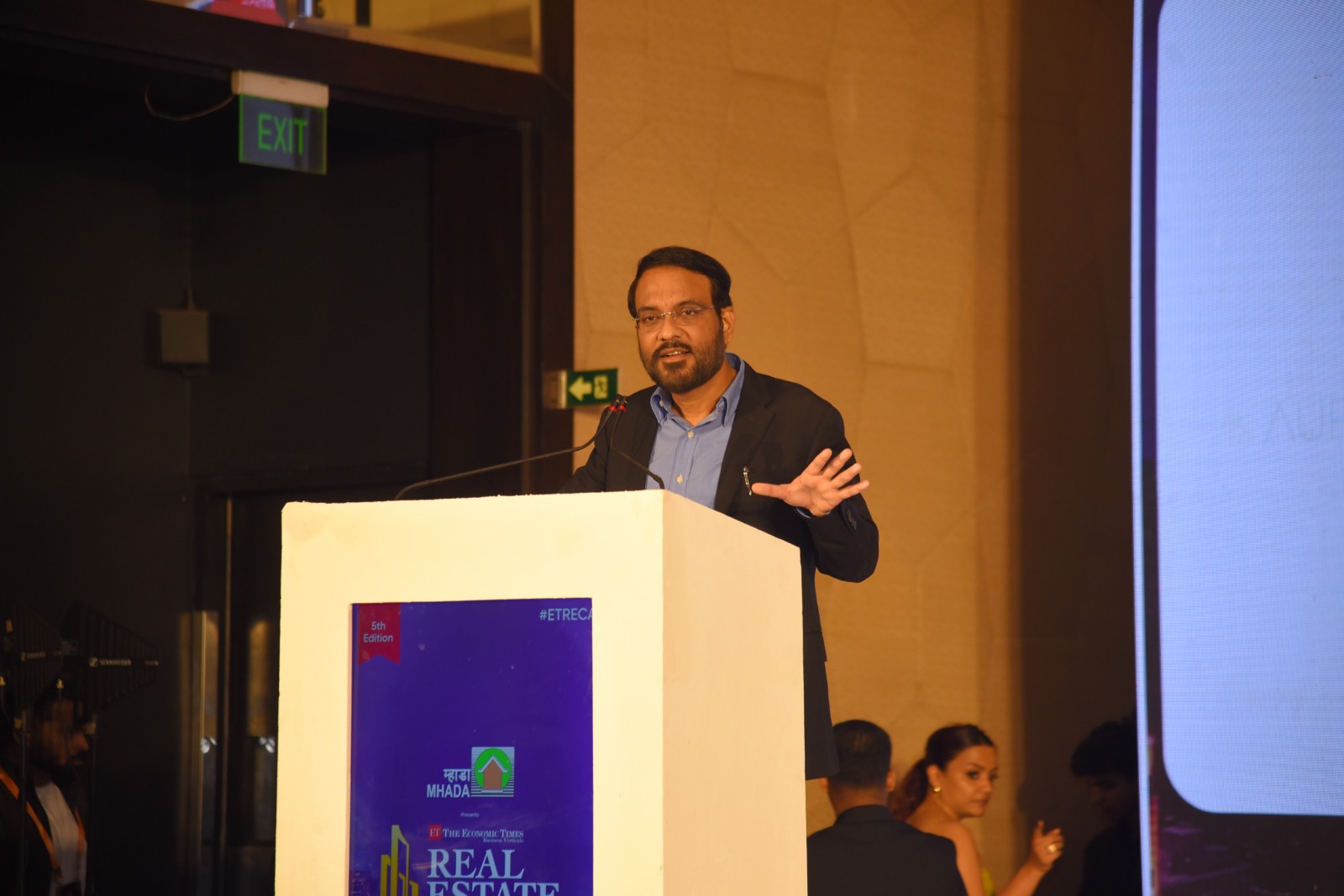
IAS Sanjeev Jaiswal Drives MHADA’s Cluster Redevelopment Plan Targeting 20,000 Affordable Homes in Mumbai
Urban housing in Mumbai has always been shaped by a simple reality: land is limited but demand continues to grow. Addressing this imbalance requires new approaches to redevelopment that use land more efficiently while improving living conditions for residents.
The Maharashtra Housing and Area Development Authority (MHADA) is now prioritising large-scale cluster redevelopment across Mumbai, with a plan to create approximately 20,000 affordable housing units over the next six to seven years. The strategy focuses on redeveloping ageing residential layouts by consolidating fragmented redevelopment efforts into larger clusters.
According to IAS Sanjeev Jaiswal, Vice President and Chief Executive Officer of MHADA, these cluster redevelopment projects could collectively unlock around 800–1,000 acres of land across Mumbai, opening up new possibilities for planned urban housing.
Moving Beyond Fragmented Redevelopment
For decades, redevelopment in Mumbai has largely happened building by building. In many cases, small groups of two or three structures were redeveloped independently.
While this approach allowed redevelopment to move forward incrementally, it often resulted in fragmented urban growth. Infrastructure such as roads, utilities, and public spaces had to be redesigned for each project individually, which increased costs and reduced overall efficiency.
MHADA’s cluster redevelopment strategy attempts to solve this problem.
Instead of focusing on isolated buildings, redevelopment will now take place across larger land parcels often spanning 20–30 acres or more. This allows planners to design infrastructure more systematically while spreading development costs across a larger number of housing units.
In a city where every square metre matters, this shift represents a more sustainable way to plan urban housing.
Creating 20,000 Affordable Homes
Under the current planning framework, MHADA expects cluster redevelopment projects to generate around 10 lakh sq m of residential stock.
Most of this supply will fall within the affordable housing segment, which remains one of Mumbai’s most pressing urban needs.
Based on existing estimates, this development output could translate into approximately 20,000 housing units, primarily sized between 500 sq ft and 700 sq ft.
Unlike market-driven housing projects where prices fluctuate based on demand, these homes will be priced using a formula linked to ready reckoner rates rather than prevailing market prices. This mechanism helps ensure that the units remain accessible to middle-income and lower-income households.
Rehabilitation of Existing Residents
A central objective of MHADA’s redevelopment model is to improve housing conditions for existing residents living in older buildings.
Many MHADA housing layouts were developed several decades ago, with units measuring only 160–200 sq ft. Over time, these structures have aged significantly and no longer meet modern housing standards.
Under the redevelopment schemes, residents are expected to receive larger rehabilitation apartments ranging from approximately 550 sq ft to 650 sq ft.
This expansion in living space represents a major improvement in urban housing quality, particularly for families that have lived in extremely compact homes for generations.
Key Locations Identified for Redevelopment
MHADA officials have already identified several locations across Mumbai where cluster redevelopment projects are either underway or in different stages of planning.
Some of the major redevelopment zones include:
· Motilal Nagar in Goregaon
· SVP Nagar in Andheri
· GTB Nagar in Sion
· Abhyudaya Nagar in Parel
· Kamathipura in south Mumbai
· Magathane in Borivali
· Mandvi Reclamation
· Adarsh Nagar
· Aram Nagar
These projects form part of MHADA’s broader strategy to modernise ageing housing layouts while addressing the shortage of affordable homes in Mumbai.
Unlocking Land and Generating Revenue
Beyond housing supply, cluster redevelopment also has the potential to strengthen MHADA’s financial capacity.
According to planning estimates, such projects could generate around INR 25,000 crore in premiums over the next five to seven years. These funds can then be reinvested into housing and urban infrastructure initiatives.
At the same time, the redevelopment process will unlock 800–1,000 acres of land, creating space for improved infrastructure, open areas, and more efficient urban planning.
Aligning with Mumbai’s Housing Needs
Mumbai continues to face one of the most challenging housing markets in India. Property prices remain among the highest in the country, making affordable housing a central policy priority.
MHADA’s cluster redevelopment strategy aligns with broader regional planning goals aimed at improving housing accessibility while modernising the city’s ageing residential infrastructure.
Officials note that successful implementation will require coordinated action between state agencies, municipal authorities, developers, and local communities.
A Long-Term Urban Housing Strategy
Large-scale housing reform in a dense city like Mumbai cannot happen quickly. It requires sustained planning, financial discipline, and institutional coordination.
The push for cluster redevelopment reflects a shift from piecemeal redevelopment toward city-scale housing transformation.
Under the administrative leadership of IAS Sanjeev Jaiswal, MHADA’s strategy focuses on using land more efficiently, rehabilitating long-time residents, and expanding the supply of affordable housing.
If executed as planned, the creation of around 20,000 homes over the next six to seven years could mark an important step toward making Mumbai’s housing ecosystem more inclusive, organised, and sustainable.