



.png)

MHADA Hands Over 864 Flats to Tenants Under Naigaon BDD Chawl Redevelopment Project
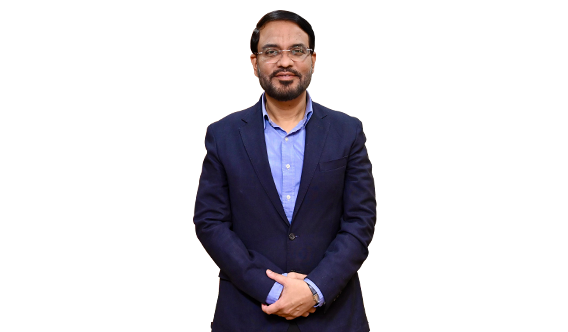
MHADA Hands Over 864 Flats to Tenants Under Naigaon BDD Chawl Redevelopment Project: IAS Sanjeev Jaiswal
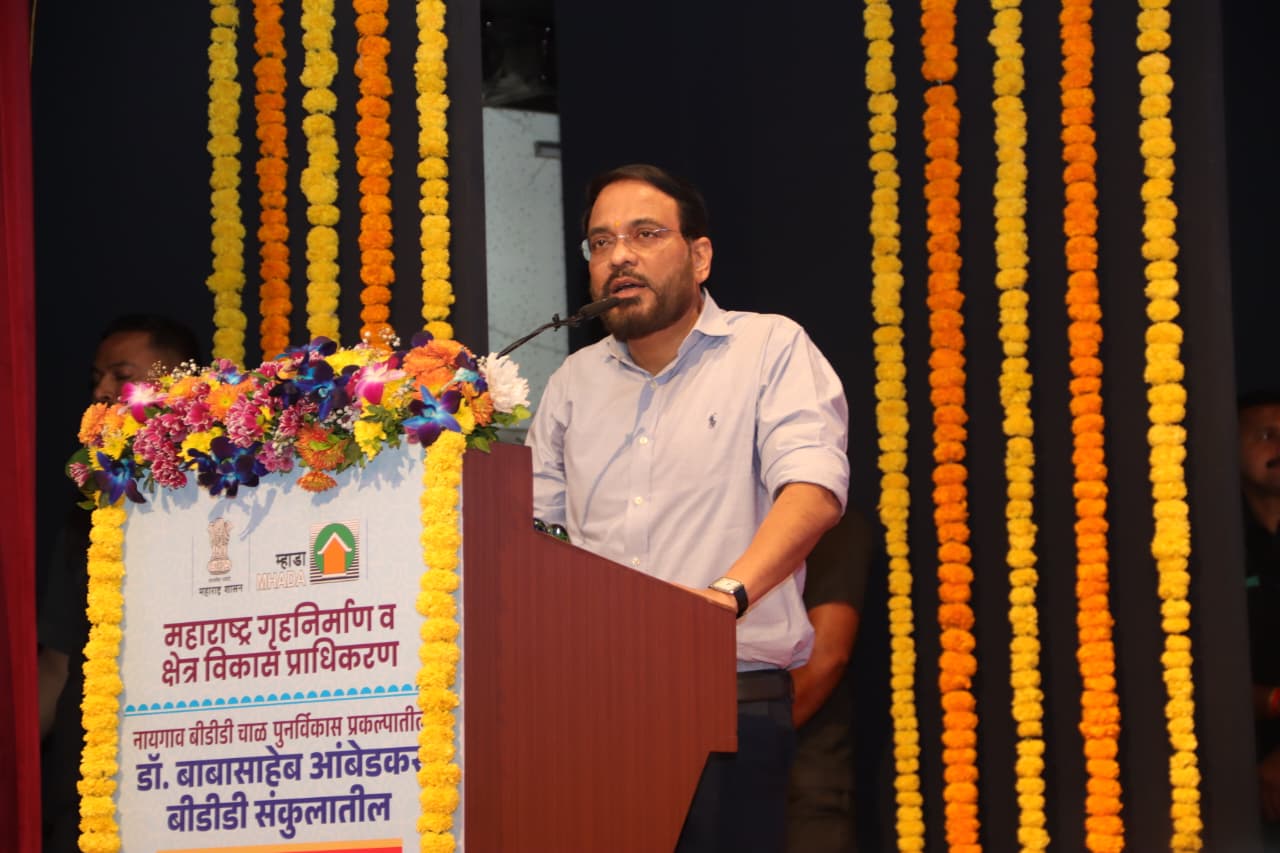
Urban transformation rarely happens overnight. It requires vision, patience, and systems that work consistently over time. The redevelopment of the historic BDD Chawls in Mumbai is one such example. On March 16, the Maharashtra Housing and Area Development Authority (MHADA) handed over keys to 864 flats to eligible residents of the Naigaon BDD Chawl project, marking a major milestone in one of Mumbai’s most ambitious housing redevelopment efforts.
The redevelopment initiative, overseen by MHADA under the administrative leadership of IAS Sanjeev Jaiswal, is designed to rehabilitate nearly 15,000 families who have lived for decades in extremely small homes measuring about 160 sq ft. These families will now move into 500 sq ft 2BHK apartments, a transformation that reflects the city’s effort to modernize old housing clusters while preserving community networks.
A Major Step in Mumbai’s Housing Transformation
At the event, Maharashtra Chief Minister Devendra Fadnavis distributed the keys to beneficiaries and highlighted the larger vision behind the redevelopment drive. According to him, the government has opened up approximately 1,000 acres of land in Mumbai under the cluster redevelopment plan to ensure that residents can be rehabilitated within the city instead of being pushed to distant suburbs.
The 864 flats handed over are part of the first phase of the Naigaon BDD Chawl redevelopment, which is being implemented by MHADA’s Mumbai Building Repairs and Reconstruction Board.
The redeveloped residential complex has been named the Dr Babasaheb Ambedkar BDD Complex and spreads across 6.45 hectares in central Mumbai.
Today, the Naigaon BDD complex houses 3,344 tenants across 42 chawls, each built as ground-plus-three-storey structures. These buildings were constructed decades ago and have long outlived their intended lifespan.
Under the redevelopment plan, the area will eventually see 20 rehabilitation towers, each rising 23 storeys, built in two phases.
From 160 sq ft Rooms to 500 sq ft Homes
For many families, the BDD chawls were more than just buildings. They were communities built over generations. But the homes themselves were extremely small. Most residents lived in 160 sq ft rooms, often shared by multiple family members.
The redevelopment project changes that reality.
Each eligible tenant is now entitled to a 500 sq ft carpet area apartment, designed as a 2BHK home. This represents more than just additional space. It is a shift toward dignified urban housing that balances affordability with livability.
Deputy Chief Minister Eknath Shinde, who also handles the Housing Department, emphasized that the new apartments will remain valuable long-term assets for residents.
He urged beneficiaries not to sell these homes, noting that they are located in a prime area of Central Mumbai. He also reassured residents that MHADA will maintain the buildings for the next 12 years, reducing the maintenance burden on tenants.
Modern Amenities and Safer Buildings
The new rehabilitation apartments are designed to meet modern urban living standards.
According to MHADA, the flats come with several built-in amenities, including:
· Vitrified tiles
· Aluminium-framed windows
· Granite kitchen countertops
· Branded plumbing fixtures
· Fire-fighting systems
The buildings have been constructed using earthquake-resistant technology, reflecting the importance of safety in high-density urban housing.
Each tower is equipped with two passenger lifts and one fire lift, ensuring convenience as well as emergency preparedness.
Security has also been integrated into the design. CCTV surveillance systems have been installed on every floor, improving safety within the complex.
The project also includes three-level basement parking, a stilt parking area, and spacious staircases, features rarely associated with the old chawl structures that once stood here.
The History Behind BDD Chawls
The BDD Chawls are among Mumbai’s oldest working-class housing clusters.
They were originally built in the 1920s by the British administration to provide low-cost housing in the city. Over time, these chawls became home to generations of families who worked in Mumbai’s mills, small businesses, and service sectors.
Today, there are more than 200 chawls spread across 37 hectares in four different areas connected to the BDD chawl network.
The distribution of this land includes:
· Worli – 22.14 hectares
· NM Joshi Marg – 5.46 hectares
· Naigaon – 6.45 hectares
Another 2.32 hectares in Sewri is under the Central government and is not part of the Maharashtra government’s BDD Chawl redevelopment project.
A Project a Decade in the Making
The Maharashtra government appointed MHADA as the nodal agency for the redevelopment project around a decade ago. The scale of the initiative required strong institutional coordination and long-term planning.
In 2017, infrastructure giant Larsen & Toubro was appointed to redevelop the BDD chawls in Naigaon in Dadar.
Meanwhile, the redevelopment contract for the NM Joshi Marg chawls in Lower Parel was awarded to the Shapoorji Pallonji Group.
The goal of the project is straightforward but transformative: rehabilitate nearly 15,000 families while modernizing some of the most densely populated housing clusters in central Mumbai.
Building a More Livable Mumbai
Large-scale urban redevelopment is often complicated. It requires balancing community expectations, land constraints, infrastructure needs, and long-term city planning.
But when executed well, it can redefine how cities grow.
The handing over of 864 flats in Naigaon is a reminder that redevelopment is not just about buildings. It is about improving living conditions for thousands of families who have shaped Mumbai’s social and economic fabric for generations.
Under MHADA’s ongoing redevelopment push led by IAS Sanjeev Jaiswal, projects like the BDD Chawl redevelopment represent a long-term effort to upgrade housing while keeping communities rooted in the city they helped build.
And for the 15,000 families who will eventually move from 160 sq ft rooms into 500 sq ft homes, the change is more than structural — it is deeply personal.