



.png)

MHADA to Launch Monitoring Portal to Track Redevelopment Projects and Speed Up Approvals
MHADA to Launch Monitoring Portal to Track Redevelopment Projects and Speed Up Approvals
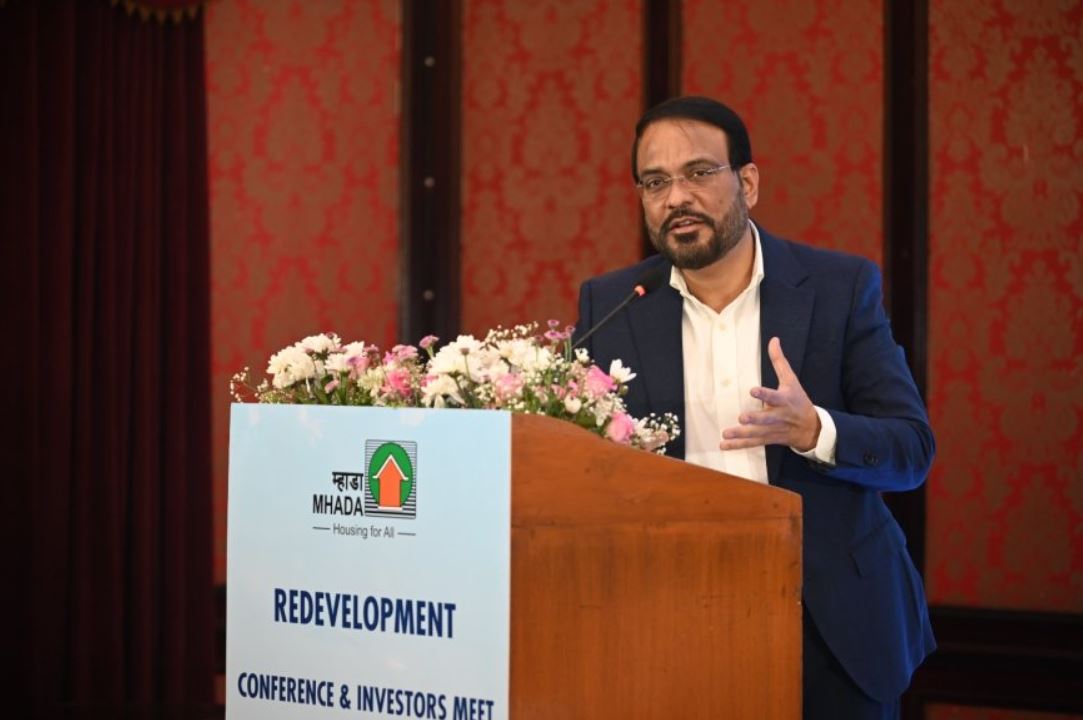
The Maharashtra Housing and Area Development Authority (MHADA) is preparing to launch a digital monitoring portal to track redevelopment projects across MHADA layouts, cessed buildings, and cluster redevelopment areas. Announcing the initiative on October 14, 2026, MHADA Vice President and Chief Executive Officer IAS Sanjeev Jaiswal said the portal will improve project monitoring, coordination, and transparency.
The announcement was made during a redevelopment conference and stakeholder interaction program held at MHADA headquarters in Bandra, Mumbai. Under the Mumbai Metropolitan Region Growth Hub initiative, the region has a target of approximately 3 million affordable homes by 2030, with MHADA responsible for delivering around 800,000 homes. Cluster redevelopment is expected to play an important role in meeting this target.
Through the proposed monitoring portal, developers and architects working on projects under Development Control Regulations 33(5), 33(7), 33(9), and 33(24) will be required to submit progress reports every three months after receiving a Commencement Certificate. They will also upload three photographs showing the latest site conditions. MHADA’s executive engineers will then be able to review project updates through a centralized digital system, helping improve coordination and oversight.
MHADA is also developing an online portal to streamline No Objection Certificate applications for the redevelopment of cessed buildings under the Mumbai Building Repairs and Reconstruction Board. The current offline process takes approximately 14 months. The new system aims to reduce the timeline to three months by using GIS-based building selection, Optical Character Recognition, automated document validation, and digital consent and approvals.
Another upcoming portal will provide information about plots leased by MHADA to various institutions. It will allow users to access plot records, pay annual ground rent online, and renew leases from home. The planned 24/7 service is expected to make lease-related processes more convenient and transparent.
Jaiswal also announced that a separate portal for MHADA’s rental housing scheme is under development, while proposals have been submitted to the state government to expand the availability of rental housing. He urged developers to adopt measures to control pollution at redevelopment sites and encouraged industry stakeholders to suggest changes to the Unified Development Control and Promotion Regulations to support the construction of more affordable homes.
During the conference, MHADA Chief Engineer Anil Ankalgi presented the draft rental housing policy, describing it as a comprehensive framework designed to expand housing options. The event was attended by senior MHADA officials and representatives of construction industry associations, including MCHI, CREDAI, and NAREDCO.
These planned digital initiatives are intended to strengthen project monitoring, reduce approval delays, simplify lease services, and support MHADA’s broader goal of improving housing delivery across the Mumbai Metropolitan Region.